

Last night, I woke up at 3 AM with a racing heart. Nothing unusual had happened the day before—no excessive caffeine, no scary movies, nothing out of the ordinary. But there I was, lying awake, wondering: “Am I actually as healthy as I think I am?”

We all do it. We assume we’re healthy because we feel fine most days. Maybe we exercise occasionally, try to eat our veggies, and avoid the doctor unless something’s obviously wrong. But here’s the truth—feeling good doesn’t always mean you’re in good health. Some of the most serious health conditions develop silently for years before symptoms appear.
Key Takeaways
- Many serious health conditions develop without noticeable symptoms until they’re advanced
- Basic health metrics like blood pressure and cholesterol levels can identify problems before they become serious
- Beyond standard tests, specialized assessments like micronutrient testing and genetic screening provide deeper insights into health status
- Mental health evaluations are equally important as physical tests for overall wellbeing
- Regular testing appropriate for your age, gender, and risk factors can catch potential issues early when they’re more treatable
The Problem with “Feeling Fine”
Remember when your grandparents would say they feel “just fine” despite obvious health issues? I certainly do. My grandfather insisted he was perfectly healthy right up until his “surprise” triple bypass surgery. The surgeon later told us his arteries had been narrowing for decades.

The human body is remarkably adaptable. It compensates for developing problems until it simply can’t anymore. By then, what could have been an easy fix might require major intervention.
According to Dr. Samantha Lee, internal medicine specialist at Cleveland Clinic, “About 45% of adults have at least one chronic health condition they’re unaware of.” That’s nearly half of us walking around with health issues we don’t know about!
But don’t panic just yet. Modern medicine has given us incredible tools to peek under the hood and check if everything’s running smoothly—often before problems become serious.
Essential Health Markers Everyone Should Know
Blood Pressure: The Silent Indicator
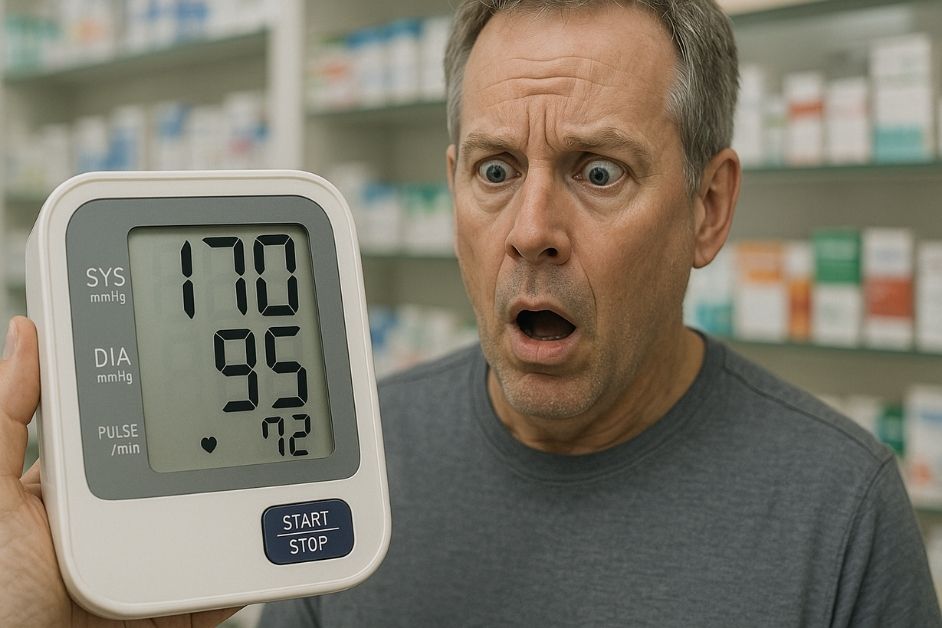
I’ll never forget the shock on my friend Jake’s face when the pharmacy blood pressure machine read 170/95. “But I feel great,” he insisted. Three weeks later, he was on medication for hypertension that had likely been damaging his organs for years.
High blood pressure is called “the silent killer” for good reason. It typically causes no symptoms while increasing your risk for heart attacks, strokes, and kidney damage. According to the American Heart Association, nearly half of American adults have hypertension, and many don’t know it.
What’s considered healthy?
- Normal: Below 120/80 mm Hg
- Elevated: 120-129/less than 80 mm Hg
- Hypertension Stage 1: 130-139/80-89 mm Hg
- Hypertension Stage 2: 140+/90+ mm Hg
- Hypertensive crisis: Higher than 180/120 mm Hg (requires immediate medical attention)
Testing your blood pressure is quick, painless, and can be done at home with an inexpensive monitor. For accuracy, take readings at different times of day over several weeks.
Cholesterol Panel: Beyond the Total Number
For years, we obsessed over total cholesterol numbers. Now we know that’s an oversimplified view. A comprehensive lipid panel measures several types of cholesterol and triglycerides, giving a much clearer picture of cardiovascular risk.
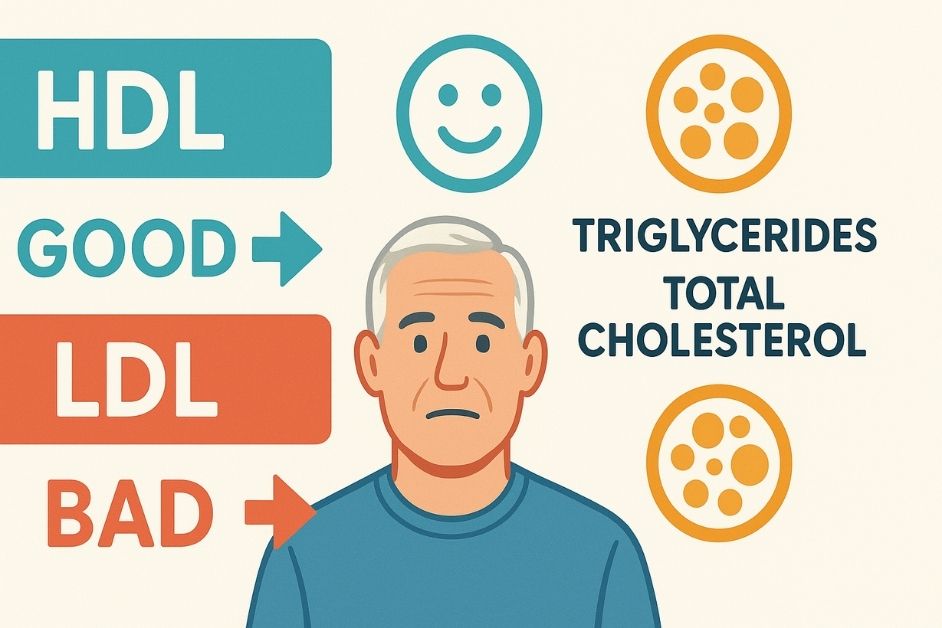
Dr. Robert Greenfield, medical director of non-invasive cardiology at MemorialCare Heart & Vascular Institute, explains: “We need to look at the whole picture—HDL, LDL, triglycerides, and particle size—not just total cholesterol. Two people with identical total cholesterol can have vastly different cardiac risks.”
A standard lipid panel includes:
- Total cholesterol
- LDL (low-density lipoprotein) – the “bad” cholesterol
- HDL (high-density lipoprotein) – the “good” cholesterol
- Triglycerides (fat in your blood)
More advanced testing might include:
- Apolipoprotein B (ApoB)
- LDL particle number and size
- Lipoprotein(a)
These advanced markers can identify cardiovascular risk that might be missed by standard testing. For instance, research published in the Journal of the American College of Cardiology in early 2024 found that elevated Lipoprotein(a) levels independently predict heart attack risk even when other cholesterol values appear normal.
Blood Glucose: Not Just for Diabetics
Think glucose testing is only for people with diabetes? Think again. Prediabetes affects approximately 96 million American adults—more than 1 in 3—according to the CDC. Most don’t know they have it.
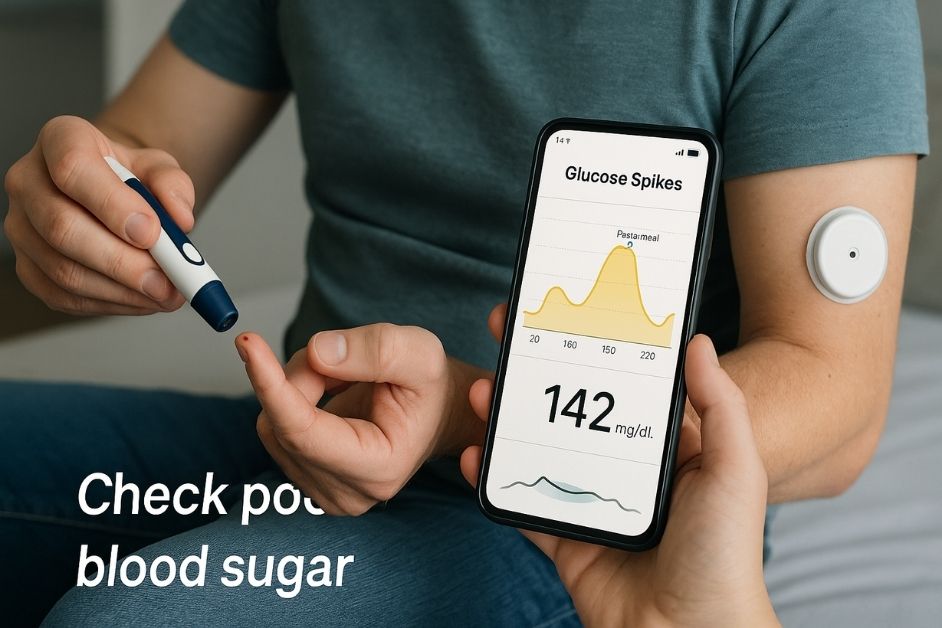
Catching elevated blood sugar early allows for lifestyle interventions that can prevent progression to full diabetes. And considering diabetes increases your risk for heart disease, kidney failure, blindness, and amputation, early detection matters.
There are several ways to test blood glucose:
- Fasting blood glucose: A single measurement after fasting
- A1C: Shows average blood sugar over 2-3 months
- Oral glucose tolerance test: Measures how your body processes sugar
- Continuous glucose monitoring: Provides real-time data over days or weeks
The continuous monitoring option has become increasingly popular, even among non-diabetics. When I tried it last year, I was surprised to see how dramatically different foods affected my glucose levels. That pasta dinner I thought was “pretty healthy” sent my levels soaring!
Beyond the Basics: Comprehensive Health Assessment
Complete Blood Count (CBC): The Cellular Story
A complete blood count examines your blood cells, providing crucial information about your overall health. It can detect:
- Anemia (low red blood cells)
- Infection (elevated white blood cells)
- Bleeding disorders (low platelets)
- Early signs of leukemia and other blood cancers
The CBC is often included in routine checkups, but don’t assume your doctor has ordered it. Ask specifically for this test if it’s been more than a year since your last one.
Comprehensive Metabolic Panel: Your Body’s Chemistry
This group of 14 tests provides information about:
- Kidney function
- Liver function
- Electrolyte and fluid balance
- Blood sugar levels
- Protein levels
Abnormalities can indicate problems with major organs even before symptoms appear. For example, slightly elevated liver enzymes might be the only early warning sign of non-alcoholic fatty liver disease, which affects about 25% of adults globally and can progress to cirrhosis if untreated.
Thyroid Function: The Metabolism Master
Your thyroid regulates countless bodily functions, from metabolism to mood. Yet thyroid disorders often go undiagnosed because symptoms can be vague and attributed to other causes.
Standard thyroid tests include:
- TSH (Thyroid Stimulating Hormone)
- Free T4
- Free T3 (sometimes)
- Thyroid antibodies (for suspected autoimmune thyroid disease)
More comprehensive testing might include reverse T3 and additional antibodies. Some functional medicine practitioners argue that standard reference ranges for thyroid hormones are too broad, missing subclinical dysfunction that could explain fatigue, weight changes, and mood issues.
Specialized Testing for Deeper Insights
Micronutrient Testing: Beyond the Macros
We focus so much on macronutrients (protein, carbs, fat) that we often neglect micronutrients—the vitamins and minerals essential for optimal function. Deficiencies can cause serious health problems while producing only subtle symptoms.
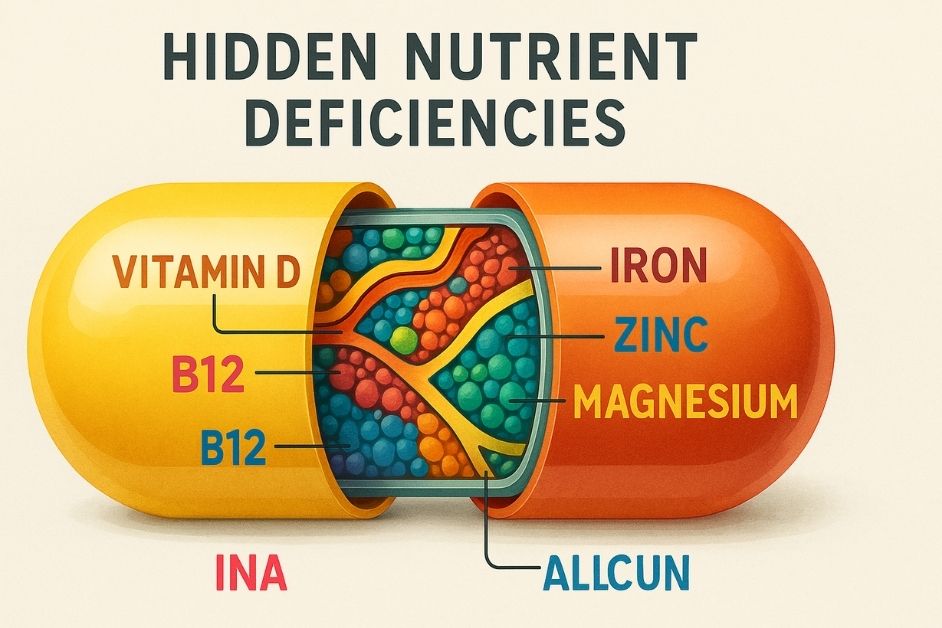
Common deficiencies include:
- Vitamin D (affecting an estimated 42% of Americans)
- Vitamin B12 (particularly in older adults and vegetarians)
- Magnesium (depleted by stress, alcohol, and many medications)
- Iron (especially in menstruating women)
- Zinc (crucial for immune function)
Comprehensive micronutrient testing can identify deficiencies before they cause significant problems. When I had this testing done, I discovered my vitamin D levels were dangerously low despite spending plenty of time outdoors. Supplementation made a noticeable difference in my energy levels within weeks.
Inflammatory Markers: The Fire Within
Chronic inflammation is linked to virtually every major disease, from heart disease to cancer to Alzheimer’s. Testing inflammatory markers can identify smoldering problems before they erupt into serious illness.
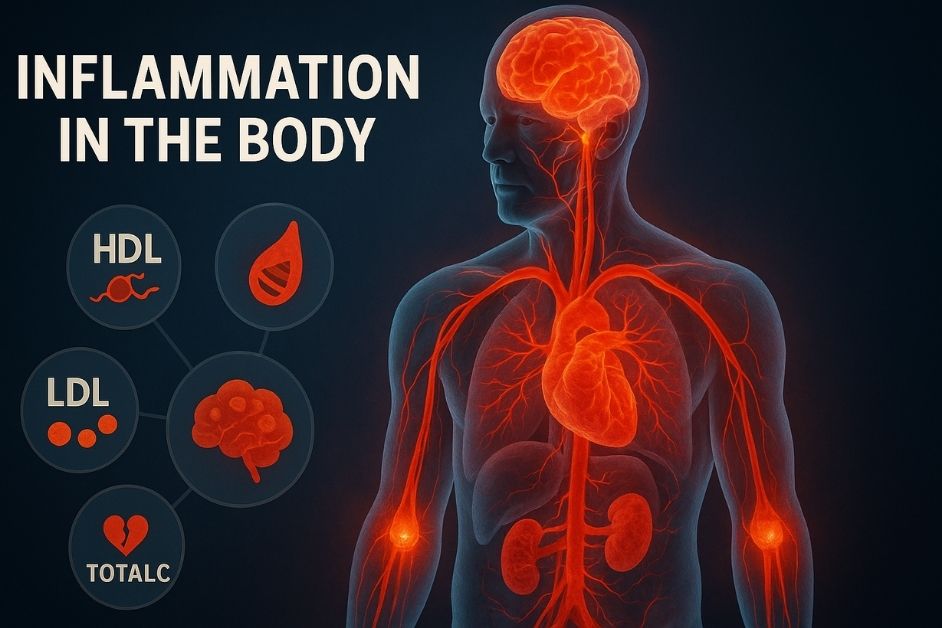
Key inflammatory markers include:
- High-sensitivity C-reactive protein (hs-CRP)
- Homocysteine
- Fibrinogen
- Interleukin-6
- Tumor necrosis factor-alpha
Dr. Mark Hyman, founder of the UltraWellness Center, notes: “Inflammation is the common factor in almost all chronic disease. Testing these markers should be standard practice, but unfortunately, it’s not.”
Hormonal Health: Beyond Reproductive Function
Hormones are chemical messengers that affect virtually every aspect of health. Imbalances can cause symptoms ranging from fatigue and weight gain to anxiety and insomnia.
Important hormones to consider testing include:
- Cortisol (stress hormone)
- Insulin (blood sugar regulation)
- Sex hormones (estrogen, progesterone, testosterone)
- DHEA (adrenal hormone)
- Melatonin (sleep hormone)
Testing methods vary from blood tests to saliva and urine tests. Some practitioners prefer the DUTCH test (Dried Urine Test for Comprehensive Hormones), which provides a more complete picture of hormone metabolism.
Genetic Insights: Personalized Prevention
Genetic Testing: Your Health Blueprint
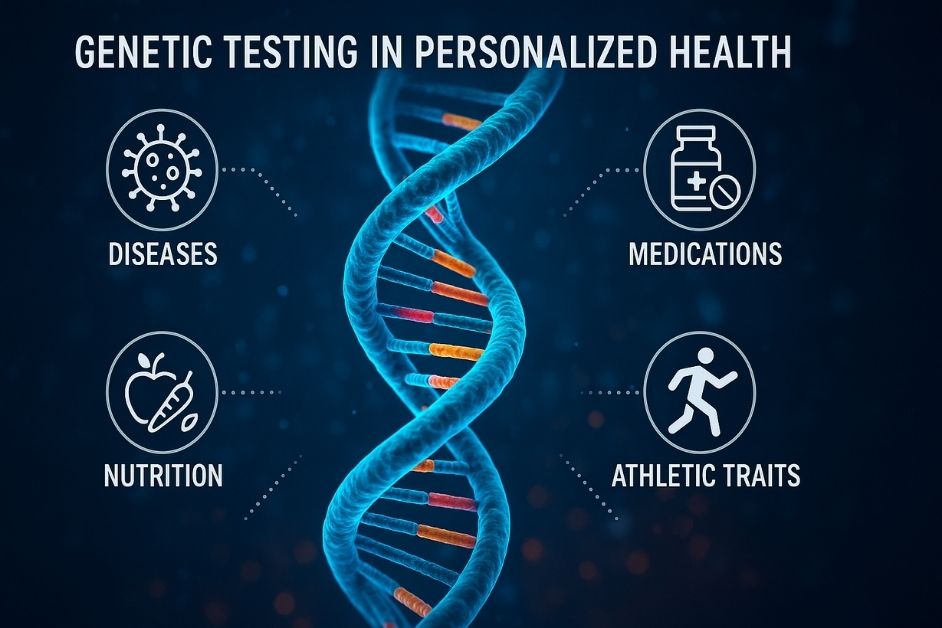
Advances in genetic testing have made personalized health recommendations more accessible than ever. Tests can identify:
- Disease risk factors
- Medication metabolism (pharmacogenomics)
- Nutrient needs and sensitivities
- Athletic performance factors
Companies like 23andMe offer direct-to-consumer testing, while more comprehensive medical-grade testing is available through healthcare providers.
But a word of caution—genetic testing provides probabilities, not certainties. Having a genetic risk factor doesn’t mean you’ll develop a condition, and the absence of risk factors doesn’t guarantee immunity.
Telomere Length: Your Cellular Age
Telomeres are protective caps on your chromosomes that shorten with age and stress. Shorter telomeres are associated with accelerated aging and increased disease risk.
Testing telomere length provides insight into your “biological age” versus chronological age. Factors that accelerate telomere shortening include:
- Chronic stress
- Poor diet
- Sedentary lifestyle
- Smoking
- Excessive alcohol consumption
The good news? Research suggests certain lifestyle factors can help maintain telomere length, including regular exercise, stress management, and a Mediterranean-style diet.
Functional Testing: How Well Does Your Body Work?
Gut Health Analysis: The Second Brain
The gut microbiome—the trillions of microorganisms living in your digestive tract—influences everything from immunity to mental health. Imbalances have been linked to conditions ranging from irritable bowel syndrome to depression.

Comprehensive stool testing can assess:
- Beneficial and harmful bacteria
- Yeast overgrowth
- Parasites
- Digestive enzyme function
- Inflammatory markers
- Short-chain fatty acids
Dr. Emeran Mayer, author of “The Mind-Gut Connection,” states: “About 70% of our immune system is located in and around the gut, making gut health assessment crucial for overall immunity.”
Food Sensitivity Testing: Beyond Allergies
Unlike food allergies, which cause immediate and sometimes severe reactions, food sensitivities can produce delayed symptoms that are difficult to connect to specific foods.
Testing options include:
- IgG antibody testing
- Mediator release testing (MRT)
- Elimination diets followed by controlled reintroduction
While some conventional medical organizations question the validity of certain food sensitivity tests, many practitioners and patients report significant symptom improvement after identifying and removing problematic foods.
Toxic Burden Assessment: The Modern Challenge
We’re exposed to thousands of chemicals daily through food, water, air, and personal care products. Over time, these can accumulate and potentially contribute to disease.
Testing options include:
- Heavy metal testing (blood, urine, hair)
- Environmental chemical panels
- Detoxification pathway assessment
A 2024 study published in Environmental Health Perspectives found detectable levels of over 55 industrial chemicals in blood samples from a diverse population of Americans. The researchers noted: “Many of these compounds have been linked to hormonal disruption and inflammatory conditions, yet are not routinely tested in standard medical exams.”
Mental Health: The Often Overlooked Component
Psychological Well-being Assessment
Physical health tests get most of the attention, but mental health screening is equally important. Standardized assessments can identify:
- Depression
- Anxiety disorders
- PTSD
- Cognitive function
- Stress levels
Dr. Daniel Amen, psychiatrist and brain health specialist, argues: “You can’t separate brain health from physical health. They’re completely interconnected systems.”
Sleep Quality Evaluation
Poor sleep is linked to virtually every chronic disease, from diabetes to dementia. Yet many people with sleep disorders remain undiagnosed.
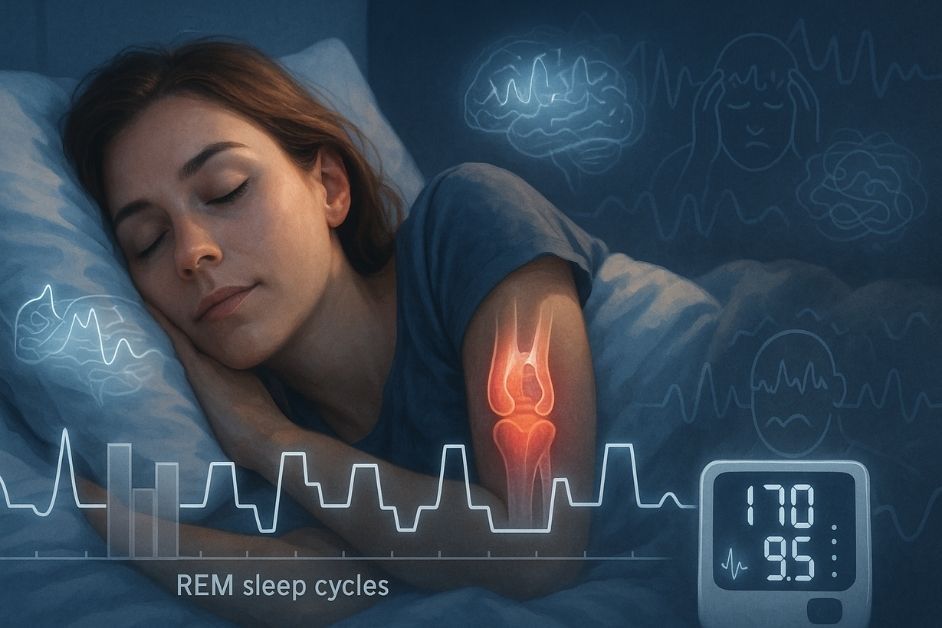
Assessment options include:
- Sleep studies (polysomnography)
- Home sleep testing
- Sleep tracking devices
- Sleep quality questionnaires
According to research from the University of California San Francisco published in January 2025, even mild sleep disruption can increase inflammatory markers and stress hormones within days.
Creating Your Personal Testing Plan
Age and Gender-Specific Recommendations
Health testing needs vary significantly based on age and gender. Here’s a general framework:
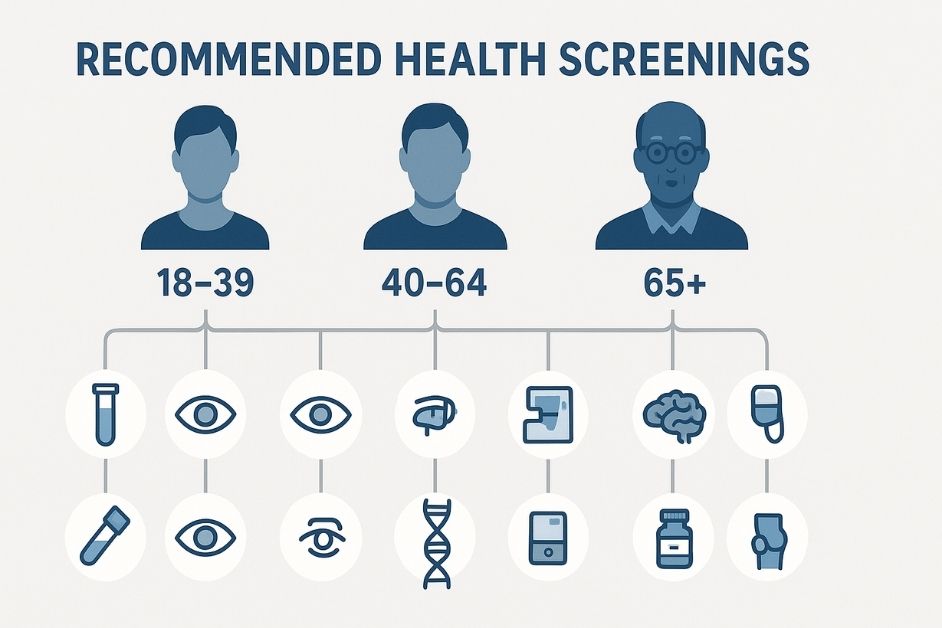
For adults 18-39:
- Blood pressure check (yearly)
- Cholesterol screening (every 5 years if normal)
- Blood glucose test (every 3 years)
- Complete physical (every 2-3 years)
- STI testing (as needed based on risk factors)
For women:
- Pap smear (every 3 years from age 21)
- Clinical breast exam (every 1-3 years)
- Mammogram (starting at age 40-50, depending on risk factors)
For men:
- Testicular exam (self-exam monthly, clinical as part of physical)
- Prostate cancer screening (discuss with doctor starting at 45-50)
For adults 40-64:
- All of the above, plus:
- Colorectal cancer screening (starting at 45)
- Bone density scan (for women after menopause)
- Lung cancer screening (if history of smoking)
- Eye exam (every 2-4 years)
For adults 65+:
- All of the above, plus:
- Cognitive assessments
- Hearing tests
- Balance and fall risk assessment
- Abdominal aortic aneurysm screening (men who have ever smoked)
Risk Factor Considerations
Your personal and family history significantly impacts which tests you need and how frequently. Consider:
- Family history of specific diseases
- Ethnicity (some conditions are more common in certain populations)
- Personal health history
- Lifestyle factors (smoking, alcohol use, exercise habits)
- Occupational exposures
- Geographic location (regional disease risks)
Dr. Elizabeth Blackburn, Nobel Prize winner for her work on telomeres, advises: “Prevention is most effective when it’s personalized. Generic recommendations are a starting point, but individualized testing based on your specific risk factors provides the best protection.”
Making Sense of Your Results
Understanding Reference Ranges
When you receive test results, they typically come with “reference ranges” indicating what’s considered normal. But these ranges deserve scrutiny for several reasons:
- They’re often based on population averages, not optimal health
- They vary between laboratories
- They may not account for factors like age, sex, and ethnicity
- “Normal” doesn’t necessarily mean “optimal”
For example, the reference range for vitamin D is typically 30-100 ng/mL. Being at 31 puts you technically “normal,” but many functional medicine practitioners consider levels below 50 ng/mL insufficient for optimal health.
When to Seek Further Testing
Consider additional investigation when:
- Results are borderline or just within normal range
- You have symptoms despite “normal” results
- Results conflict with how you feel
- You have risk factors for conditions not covered by standard testing
Dr. Terry Wahls, clinical professor of medicine at the University of Iowa, suggests: “Be your own advocate. If your instinct tells you something isn’t right despite normal test results, pursue additional testing or seek a second opinion.”
Practical Implementation: From Knowledge to Action
Working with Healthcare Providers
Not all doctors are equally receptive to comprehensive testing. Tips for successful collaboration:
- Prepare a concise medical history and symptom timeline
- Research specific tests you’re interested in
- Ask about the pros, cons, and costs of each test
- Consider working with integrative or functional medicine practitioners for more comprehensive testing
- Bring relevant research articles to appointments
Insurance Coverage and Affordability
Health testing costs vary widely, and insurance coverage is inconsistent. Options for managing costs:
- Check what preventive screenings are covered by your insurance
- Ask about cash prices (sometimes lower than insurance rates)
- Look into direct-to-consumer testing for certain markers
- Consider health fairs and community screening events
- Prioritize tests based on your specific risk factors
Frequency of Retesting
How often should you repeat tests? It depends on:
- Your baseline results
- Any interventions you’ve implemented
- Your age and risk factors
- Changes in symptoms or health status
As a general rule, annual testing of basic markers provides a good balance between vigilance and practicality. More frequent testing may be warranted when actively addressing specific health concerns.

Conclusion: Knowledge Is Power, But Action Is Everything
Understanding your health status through appropriate testing is invaluable—but knowledge alone doesn’t improve health. The true value comes from using that information to make informed decisions about lifestyle, nutrition, supplementation, and medical care.
Remember my 3 AM heart-racing episode? It prompted me to finally schedule that comprehensive physical I’d been putting off. My tests revealed borderline high blood pressure and vitamin D deficiency—both easily addressable issues that could have become serious problems if left unchecked.
The most important test results aren’t the ones that come back perfect—they’re the ones that reveal fixable problems before they become crises. In health, as in so many areas of life, early awareness creates the opportunity for prevention.
So ask yourself: Do you really know if you’re healthy? Or are you just assuming based on how you feel today? The tests outlined in this article can help answer that question—and potentially add healthy years to your life.
Don’t wait for symptoms to appear. Be proactive. Get tested. Your future self will thank you.